
Leaders Who Remain Awake to the Living God
Aug 05, 2026
Blog by Alan Fadling
When I first began to awaken to the presence of God, I was mostly learning about God. But I was also learning to see things in the presence of God. I was taught to speak accurately about faith—to quote Scripture well and explain theology clearly. That was a great gift in my young faith life. But along the way, I sometimes lost touch with something even more essential: a living, firsthand communion with the God I proclaimed.
In today’s article, I want to explore the difference between knowing about God and truly being with God—between what A. W. Tozer calls the voice of the scribe and the voice of the prophet. I want to help us listen for an invitation into a deeper interior life, where ordinary life is seen through the eyes of God.
For nearly fifty years, I’ve been on a journey of seeking to live in closer communion with God. I bet you’ve been on quite a journey yourself. I want to say a few things about that quest and what I’ve been learning along the way.
I’ve mentioned that for the last four years or so, I’ve been engaged in what I call a Spiritual Classics Study Project. With help from scholars who are much more knowledgeable than me, I’ve made my way through more than twenty spiritual classics from throughout church history, reading them slowly and seeking to incorporate them into my life and leadership.
More generally, I read books like this in a particular way. As I mentioned, I try to read them a little more slowly than I sometimes read other sorts of books. I try to read at the pace of receptive listening. I read as a student—not a student sitting in a classroom preparing for an end-of-semester test, but a student learning an artisan way of life from a Master. I don’t want to learn spiritual wisdom so much as I want to learn to live wisely.
Also, when I read, I watch for brief passages that capture my attention. I listen for a sentence or a paragraph that “sings, rings, or stings,” as pastor and author Mark Buchanan puts it in his book Spiritual Rhythm.* I capture it for later reflection. I collect those quotations, reflect on them in my journal, and prayerfully respond. I’m watching for something I can put into practice, some way I can live or lead differently, some good thing I can learn to embody so I can share it from my life with others in the future. In that sense, I spend more time these days preparing myself as a teacher than preparing talks to give or sermons to preach.
Let me share two of those quotations below. In a couple of weeks, I’ll share two more that have wisely guided my steps in recent years.
Tozer: Scribes Who Have Read and Prophets Who Have Seen
First, here’s something beautiful I came across quite some time back in A. W. Tozer’s classic The Pursuit of God. He writes:
“The scribe tells us what he has read, and the prophet tells what he has seen. The distinction is not an imaginary one. Between the scribe who has read and the prophet who has seen there is a difference as wide as the sea. We are today overrun with orthodox scribes, but the prophets, where are they? The hard voice of the scribe [often] sounds over evangelicalism, but the Church waits for the tender voice of the saint who has penetrated the veil and has gazed with inward eye upon the Wonder that is God.”†
Tozer wrote these words in 1948. Can you feel the difference between what Tozer calls a “scribe” and what he calls a “prophet”? Jesus had little patience with the Jewish scribes who quoted each other as experts but seemed unable to speak with authority from their own living encounter with the Lord.
Scribes read about God, write about God, and talk about God. Prophets speak what they have heard from the living God. Scribes, because they are not in touch with the God who reveals himself to Moses as the compassionate and gracious God, often struggle to speak a word of compassion or grace. What prophets bring us is the living voice of God.
Being a scribe is tempting, though, because I can maintain the illusion of control over my spiritual life that way. There is no controlling a life lived in communion with the Living God. It is my longing to be a person who speaks a living word from the Living God.
Peterson: Ministry Shares Firsthand Experience
A more recent prophetic voice is that of Eugene Peterson, who wrote several books meant to encourage pastors in this living way of relating to God. I don’t know whether Peterson had read Tozer’s words or if it’s just that he and Tozer followed the same Living God, but he shares this in his book The Contemplative Pastor:
“I don’t want to dispense [photocopied] hand-outs that describe God’s business; I want to witness out of my own experience. I don’t want to live as a parasite on the first-hand spiritual life of others, but to be personally involved with all my senses, tasting and seeing that the Lord is good.”‡
You can hear the “sting” of the prophet in what Peterson says here, can’t you?
Ministry and service that comes alive must be an expression of living communion with God. Excitement or hype is thin and temporary. Vitality runs deep and it lasts. There’s a great difference between sharing someone else’s vital experience and sharing my own interactive relationship with God. Again, it’s the difference between being a scribe and being a prophet.
Often, I find myself praying this prayer: “Grant, Lord, that I might keep on seeking you, tasting your goodness and contemplating you. May grace make that possible for me all the days of my life. And then, may anything I say or write or do be enriched with that sort of lived grace and trust.”
This is the spirit I discern when I read spiritual classics. I try very hard not to read such books like a “parasite,” as Peterson puts it, but as someone hungry and seeking bread to eat. I’m listening for practicable wisdom for my own walk with God.
For Reflection:
- Where do you notice the difference between speaking about God and speaking from a lived experience of God’s presence?
- When have you sensed your spiritual life becoming more secondhand, hurried, or dependent on the experiences of others? What did that feel like inside you?
- What might it look like for you this week to make a little more space for firsthand communion with God rather than simply gathering more information about him?
(Purchases made via the links may provide an Amazon Affiliate commission fee to Unhurried Living. This adds nothing to the cost of your purchase).
*Mark Buchanan, Spiritual Rhythm: Being with Jesus Every Season of Your Soul (Zondervan, 2010), p. 266.
† A. W. Tozer, The Pursuit of God (Christian Publications, Inc., 1948), p. 27.
‡ Eugene Peterson, The Contemplative Pastor (Word Publishing, 1989), p. 29.
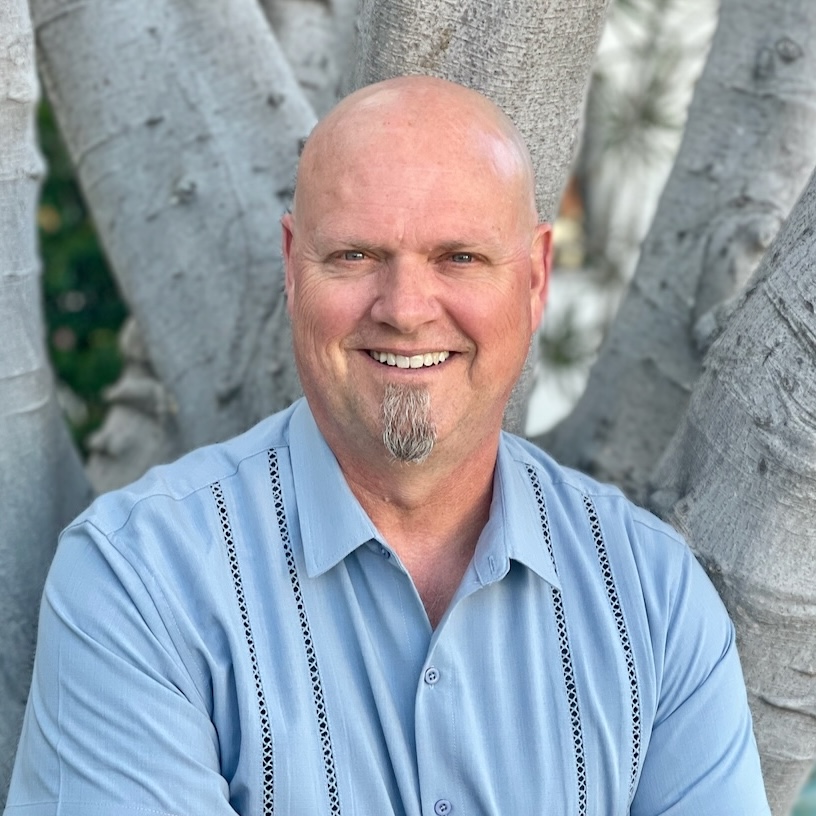
Alan Fadling (MDiv) is a founding partner of Unhurried Living, Inc. in Mission Viejo, CA. He writes and speaks as an expert in the challenge of hurry in contemporary life and work and how to overcome it. He consults and coaches leaders and their organizations in the U.S. and around the world, helping them work towards long-term productivity that lasts rather than settling for quick fixes that don’t. Alan co-leads PACE, a two-year leadership formation journey that helps leaders live and lead from spiritual depth rather than depletion. He is the award-winning author of six books including An Unhurried Life, An Unhurried Leader and A Non-Anxious Life. To connect with Alan and find resources for soul care and leadership, visit unhurriedliving.com or find him on LinkedIn.

